
BBDBuy Spreadsheet Beginner's Guide: Master the Smart Product Selection System from Scratch
BBDBuy Spreadsheet is a smart sourcing tool that helps users filter products, evaluate deals, and optimize global purchasing workflows. With BBDBuy Spreadsheet, users can easily compare suppliers, track discounts, and uncover profitable product opportunities worldwide.
6/22/20262 min read
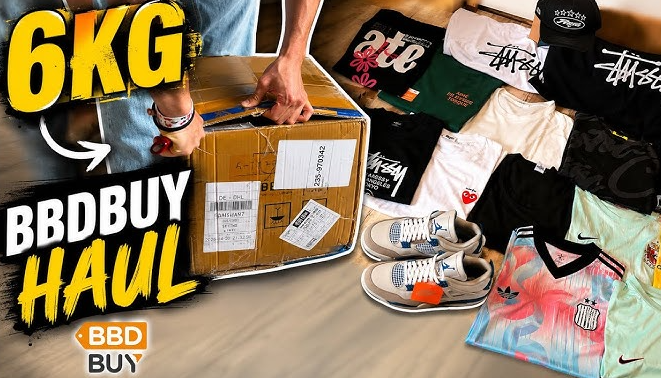
BBDBuy Spreadsheet Beginner Tutorial: Master Smart Product Selection from Zero (SEO Guide 2026)
In today’s cross-border e-commerce landscape, winning is no longer about browsing more products—it is about making better decisions using structured data systems. Beginners who rely on manual searching often struggle with inconsistent pricing, hidden shipping costs, and poor product selection.
To solve this, modern users build spreadsheet-driven workflows around platforms like BBDBuy, turning scattered product data into a smart selection and comparison system.
This guide is a complete beginner-friendly tutorial that shows how to build a BBDBuy Spreadsheet system from zero and gradually evolve into a structured product intelligence workflow.
1. What Is a BBDBuy Spreadsheet?
A BBDBuy Spreadsheet is a structured system used to:
Collect product links from multiple suppliers
Compare pricing and shipping costs
Track product purchase status
Organize sourcing data in one place
Support smarter buying decisions
Instead of relying on bookmarks or memory, you build a centralized shopping dashboard.
2. Why Beginners Need a Spreadsheet System
Without structure, cross-border shopping becomes chaotic and inefficient. Common problems include:
Losing track of product links
Overpaying due to lack of comparison
Ignoring shipping costs
No purchase history tracking
Random decision-making
A BBDBuy Spreadsheet solves these issues by introducing:
✔ Centralized Control
All product information is stored in one system.
✔ Full Cost Transparency
You see the real total cost before purchasing.
✔ Faster Decision-Making
No need to revisit product pages repeatedly.
✔ Scalable Structure
Works from small lists to large databases.
3. Step 1: Building Your First Spreadsheet
Choose Your Tool
Recommended tools:
Google Sheets (best for beginners and automation potential)
Excel (best for offline advanced analysis)
Notion (best for visual dashboards)
Create Basic Columns
Start simple with:
Product Name
Product Link
Supplier Platform (Taobao / 1688 / Weidian, etc.)
Base Price
Category
Status (Wishlist / Ordered / Shipped / Delivered)
Standardize Your Data
To ensure long-term scalability:
Use one currency (CNY or USD)
Keep consistent category naming
Use unified status labels
This prevents confusion as your dataset grows.
4. Step 2: Basic Product Tracking System
At the beginner stage, your spreadsheet helps you:
Save product ideas
Track desired items
Compare basic prices
Record purchase history
Even this simple system already improves organization and reduces mistakes.
5. Step 3: Adding Cost Awareness (Critical Upgrade)
Most beginners focus only on product price, which leads to inaccurate decisions.
Add:
Domestic Shipping Cost
International Shipping Estimate
BBDBuy Service Fee
Total Estimated Cost
Core Formula:
Total Cost = Product Price + Domestic Shipping + International Shipping + Service Fee
This introduces real cost visibility, not surface-level pricing.
6. Step 4: Smart Product Selection Basics
Once structured, you can begin selecting products more intelligently.
Beginner Rules:
Always compare at least 2–3 sellers
Avoid unclear listings or missing details
Check shipping cost before buying
Prefer stable, well-reviewed suppliers
These simple rules already significantly improve decision quality.
7. Step 5: Organizing Your Spreadsheet for Growth
As your dataset expands, structure becomes essential.
Recommended Categories:
Fashion
Sneakers
Electronics
Accessories
Home Goods
Status Workflow:
Wishlist
Comparing
Purchased
Shipped
Delivered
This creates a clear end-to-end sourcing pipeline.
8. Step 6: Beginner Filtering Strategy
Even beginners can apply simple filters:
Within budget range
In-stock items only
Higher-rated sellers
Lower shipping estimates
This helps quickly eliminate poor options.
9. Step 7: Common Beginner Mistakes
❌ Ignoring shipping costs
Shipping often changes final price significantly.
❌ No structured system
Messy spreadsheets cannot scale.
❌ No comparisons
Always evaluate multiple suppliers.
❌ Not updating data
Outdated information leads to wrong decisions.
10. Step 8: Transitioning to Advanced System
Once basics are mastered, your BBDBuy Spreadsheet becomes a data-driven sourcing engine.
Next improvements include:
Automated cost calculation
Supplier rating system
Price comparison dashboards
Basic scoring models for product selection
At this stage, spreadsheets evolve from simple lists into decision-making systems.
11. How BBDBuy Spreadsheet Changes Shopping Behavior
Inside the ecosystem of BBDBuy, users shift from:
❌ Random browsing
➡ to
✔ structured, data-driven decision-making
Instead of guessing, decisions rely on:
Cost analysis
Structured comparison
Supplier evaluation
Organized workflows
Final Thoughts
A BBDBuy Spreadsheet is one of the most accessible entry points into smart cross-border shopping systems. For beginners, it transforms chaotic buying behavior into a structured, scalable, and efficient process.
By using this system inside BBDBuy, users gain better control over costs, improved decision quality, and a strong foundation for advanced sourcing strategies.